Preparing Your Lawn For New Turf In Cairns: A Step-By-Step Guide

Tropical Lawns • May 27, 2026

A new lawn can change the way an outdoor space looks and feels, but the condition of the soil underneath plays a major role in how well new turf in Cairns settles in. It is common for homeowners to focus on the turf variety itself, yet preparation work often has just as much impact on the outcome. Uneven ground, compacted soil and leftover weeds can all affect how fresh turf establishes after installation.


Taking the time to prepare the area properly can help create more consistent growth and make ongoing lawn maintenance easier. Whether you are replacing worn patches or starting from scratch, understanding the groundwork involved can help you get more from your investment.

Start by Clearing the Existing Lawn Area

Before laying new turf, the entire area should be cleared so the soil surface is ready for preparation. Old grass, weeds, stones and building debris can interfere with root contact and create uneven sections once the turf is laid.


This stage may take longer than expected, especially in yards where weeds have spread beneath the surface. Removing unwanted material thoroughly can reduce problems later on.


A few things to remove before installation include:


  • Existing grass & weed roots
  • Rocks, sticks & garden waste
  • Leftover construction materials
  • Sections of compacted dead soil


If the area has been neglected for some time, it may also help to lightly rake the ground after clearing to expose hidden debris. Many people sourcing turf options choose to prepare the site fully before delivery day to avoid delays once the turf arrives.

Check Soil Levels & Drainage Conditions

Drainage plays an important role in lawn performance, particularly in tropical conditions where periods of heavy rainfall are common. Water pooling in low areas can affect turf growth and contribute to patchy sections over time.


After clearing the site, it helps to assess the shape of the land and identify uneven spots. Soil should generally slope away from buildings and paved surfaces where possible.


Common signs drainage may need attention include:


  • Water sitting on the surface after rain
  • Areas that stay damp longer than surrounding sections
  • Soil that feels heavily compacted
  • Uneven or sunken ground levels


Adding fresh underlay soil may help improve the surface before turf installation. A turf farm in Cairns homeowners rely on may also provide guidance about soil depth and preparation suited to the chosen turf variety.

Loosen Compacted Soil Before Installation

Compacted ground can make it harder for turf roots to establish. Soil becomes compacted from foot traffic, machinery, construction activity and long periods without organic improvement.


Loosening the soil before laying turf creates a more workable base and may assist with moisture movement through the ground. Rotary hoes are commonly used for larger areas, while smaller yards may only require hand tools.


Preparation steps may include:


  • Turning over the top layer of soil
  • Breaking apart hard clumps
  • Removing buried stones & roots
  • Mixing in organic matter if required


This stage also provides a chance to level the surface more evenly before turf is delivered. People searching for a turf supplier often overlook how much preparation affects the finished appearance of the lawn once installed.

Improve the Soil Before Turf Arrives

Fresh turf relies on the condition of the soil underneath during the establishment period. Sandy or nutrient-poor ground may benefit from soil improvement products before installation begins.


The type of soil already present will usually influence what should be added. Some lawns may require organic material, while others may benefit from soil conditioners designed for drainage or moisture retention.


Areas commonly addressed during preparation include:


  • Soil nutrient balance
  • Organic content
  • Moisture retention
  • Surface consistency


Applying soil products before installation is generally easier than trying to correct underlying problems later. If you are arranging delivery from a turf farm, it may help to ask about soil recommendations for the selected turf type.

Level the Surface Carefully

Even small bumps and depressions can become more noticeable after turf is laid. Levelling the area before installation helps create a smoother finish and may assist with mowing later on.


Using a landscaping rake or levelling bar can help spread soil evenly across the site. Walking over the area lightly may also reveal softer spots or hidden dips that need filling.


Before laying turf, check for:


  • Raised sections near edges or pathways
  • Depressions that may collect water
  • Uneven transitions between lawn & paving
  • Loose soil that may shift during installation


The finished soil surface should sit slightly below surrounding paths or driveways to allow for the thickness of the turf itself.

Time Turf Delivery Around Installation Day

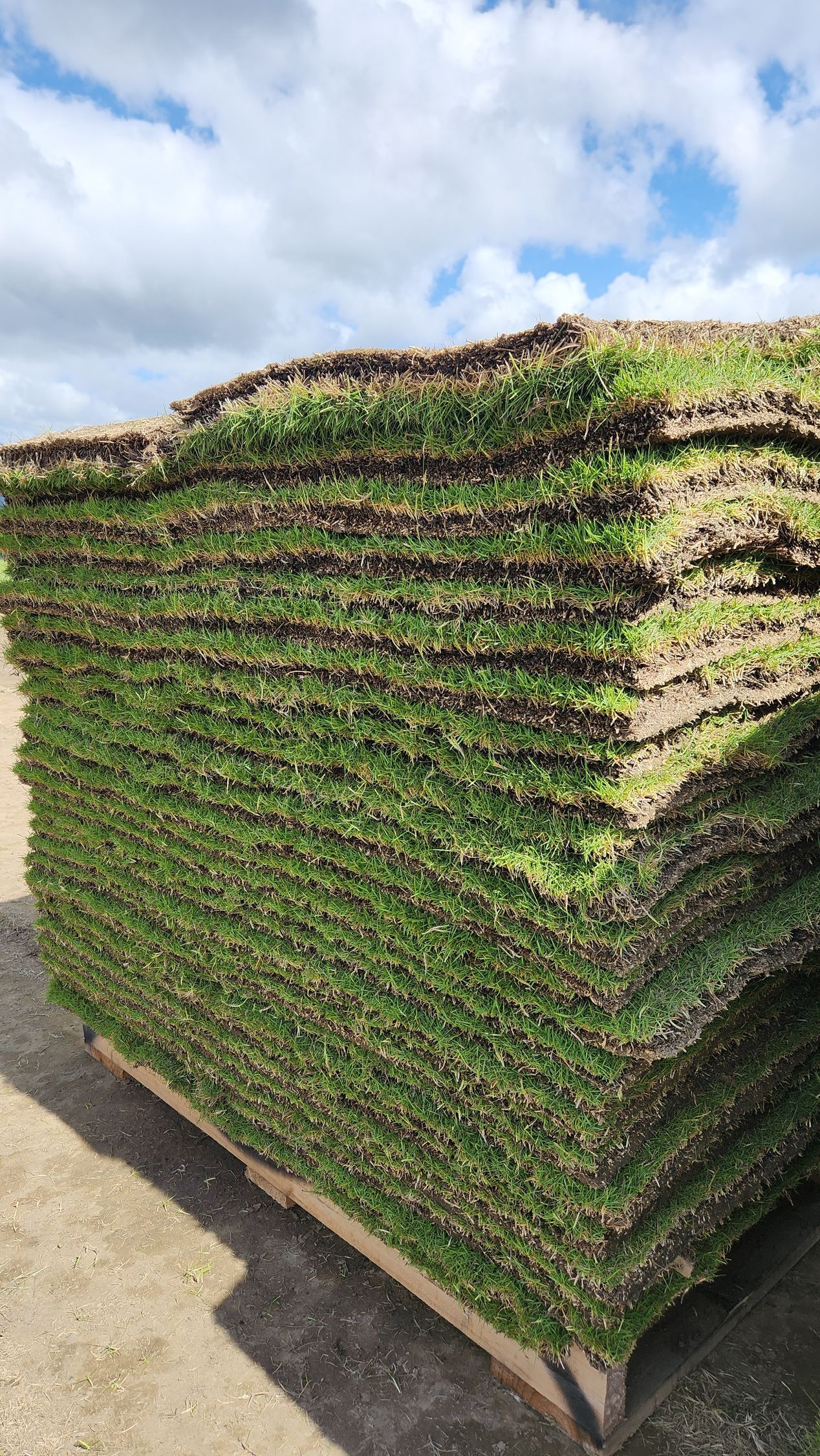
Fresh turf is generally laid soon after delivery. Leaving rolls or slabs stacked for extended periods may place stress on the grass, particularly during warmer weather.


Planning the installation ahead of time can help reduce unnecessary delays. Many homeowners organise irrigation checks and soil preparation before the turf arrives.


Helpful preparation steps include:


  • Measuring the lawn area accurately
  • Finalising soil preparation beforehand
  • Organising watering equipment
  • Planning installation access points


When ordering turf in Cairns that properties may require, it is often practical to schedule delivery close to the installation date so the turf can be laid while fresh.

Water the Area Correctly After Laying Turf

Watering becomes particularly important after installation because the roots have not yet established into the underlying soil. Fresh turf can dry out quickly during warm or windy conditions.


Initial watering usually aims to moisten both the turf and the soil beneath it. Light surface watering may not reach deep enough to support early root contact.


Early watering practices often involve:


  • Watering shortly after installation
  • Checking moisture beneath the turf
  • Avoiding excessive runoff
  • Monitoring dry patches during warmer days


The watering schedule may change depending on rainfall, soil type and seasonal conditions. A turf supplier may also provide guidance about watering requirements for different turf varieties.

Reduce Foot Traffic During Establishment

New turf requires time to settle and begin anchoring into the soil below. Excessive foot traffic during this stage may create movement between joins or leave visible depressions in softer sections.


Restricting activity across the lawn temporarily may help reduce stress on newly laid turf. This can be particularly important for areas exposed to pets, children's play equipment or repeated walking paths.


During the establishment period, it may help to:


  • Avoid parking equipment on the lawn
  • Limit heavy foot traffic
  • Keep pets away from soft areas
  • Delay mowing until the turf has settled


Once the roots begin attaching to the soil underneath, the lawn generally becomes more stable under regular use.

Choosing Quality Turf Matters as Much as Preparation

Preparation creates the foundation for a lawn, but the quality of the turf itself also contributes to how the finished surface looks and performs over time. Turf grown for local conditions may adapt differently depending on the soil, watering practices and amount of sunlight available.


When comparing suppliers, many homeowners look for:


  • Turf varieties suited to climate conditions
  • Consistent turf thickness
  • Healthy root systems
  • Reliable delivery timing


Understanding how the lawn will be used can also help determine which turf variety may suit the space.

Speak With a Local Turf Supplier About Your Project

Preparing a lawn properly takes planning, especially when dealing with drainage issues, uneven soil or worn ground conditions. At Tropical Lawns, we can assist with turf supply and guidance for residential and commercial lawns across Cairns and surrounding areas. If you are planning a new lawn or replacing an existing one, contact us to discuss suitable turf options and preparation considerations for local conditions.