Common Mistakes to Avoid When Buying Turf in Cairns
A new lawn can transform the way your outdoor space looks and functions, but in a wet-tropical region, it’s rarely as simple as laying grass and watering it in. Many homeowners searching for turf in Cairns quickly realise that what works in other parts of Australia doesn’t always hold up in Far North Queensland conditions.
High humidity, heavy seasonal rain and fast-growing environments mean small mistakes early on can lead to patchy growth, drainage issues or turf that simply doesn’t last. The checklist below outlines the most common pitfalls and what to consider instead, so you can make a confident, well-informed decision before you buy.
1. Choosing Turf That Isn’t Suited to the Climate
One of the most frequent mistakes is selecting turf based purely on appearance or price, rather than how it performs in a tropical environment. Grass varieties that aren’t suited to heat and moisture tend to struggle once established. They may thin out, become more susceptible to disease or fail to cope with rapid growth cycles.
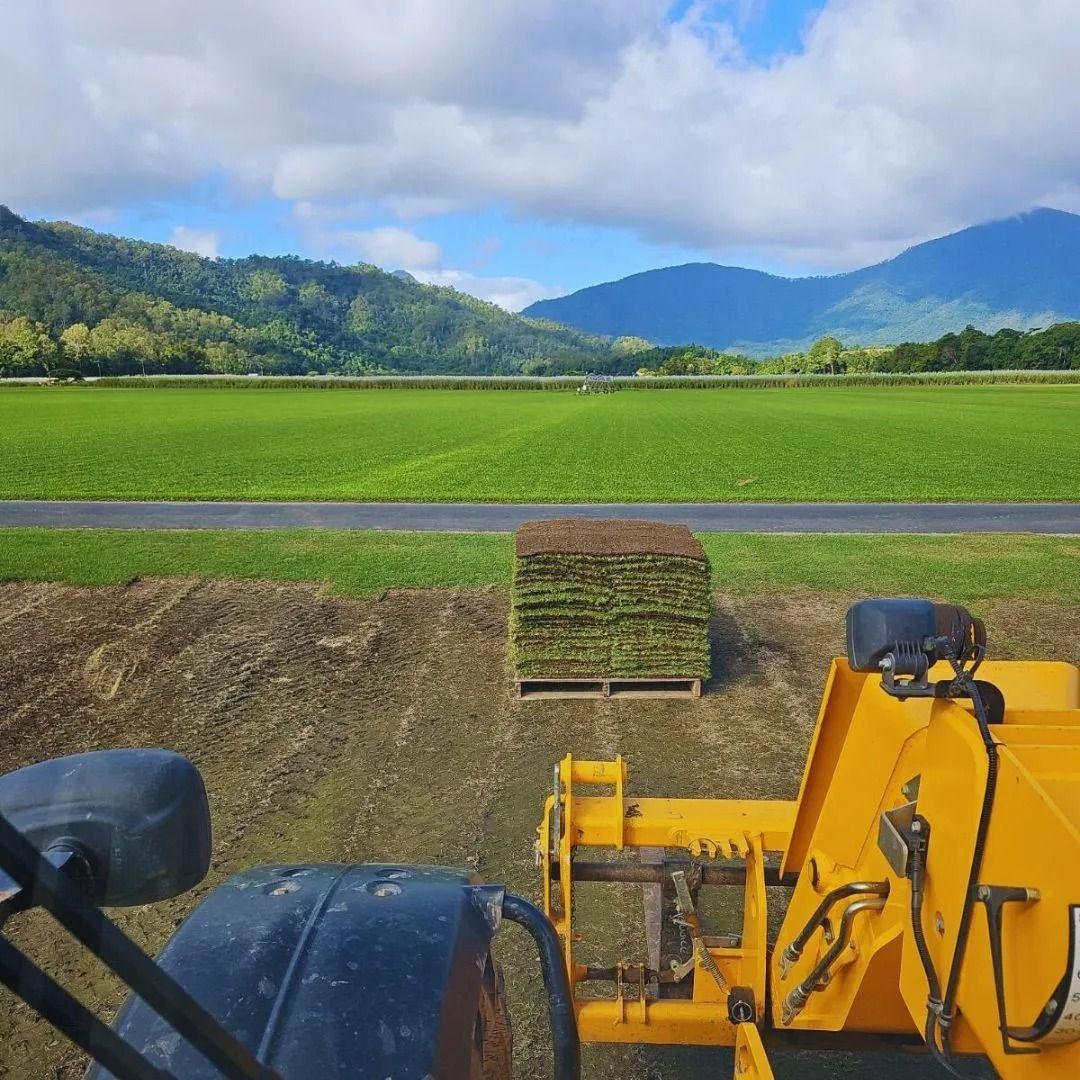
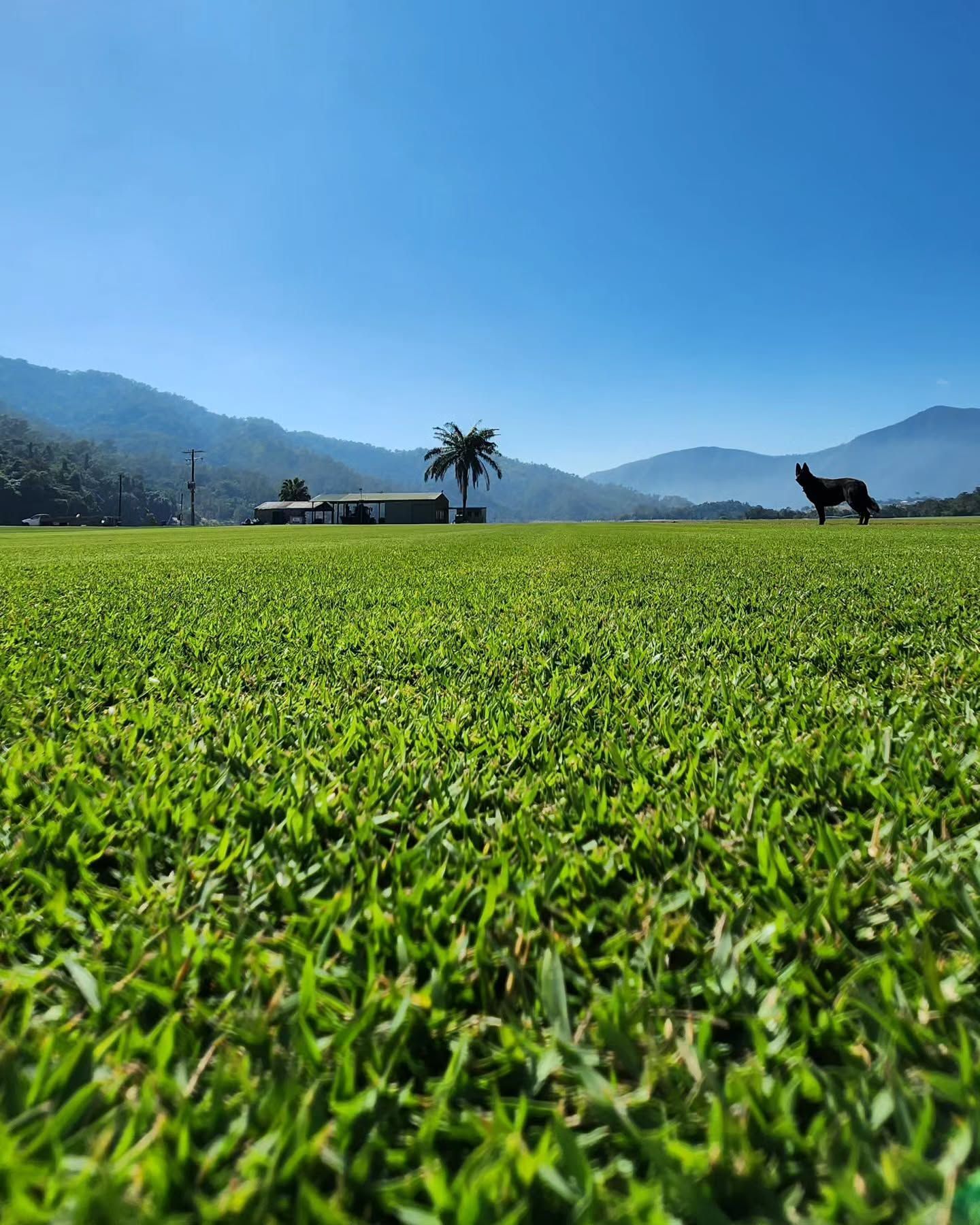
Locally grown turf from a nearby turf farm is typically more reliable because it has already been cultivated in similar conditions. This means stronger roots and better adaptability from the start. A reputable turf supplier in Cairns can also recommend varieties that have been tested in the region, helping you avoid guesswork.
2. Ignoring Sunlight and Shade Variations
Every yard has its own mix of sunlight and shade, and overlooking this often leads to uneven results.
Before making a decision, it helps to break your space into zones:
- Areas that receive full sun throughout the day
- Sections with partial shade from trees or structures
- Spots that remain heavily shaded
Different turf types respond differently to light levels. Some thrive in open, sunny areas, while others are more tolerant of shade. Choosing a single variety without considering these differences can result in inconsistent growth.
A site assessment can help identify these variations and guide you towards a more suitable option for your layout.
3. Overlooking Drainage and Soil Behaviour
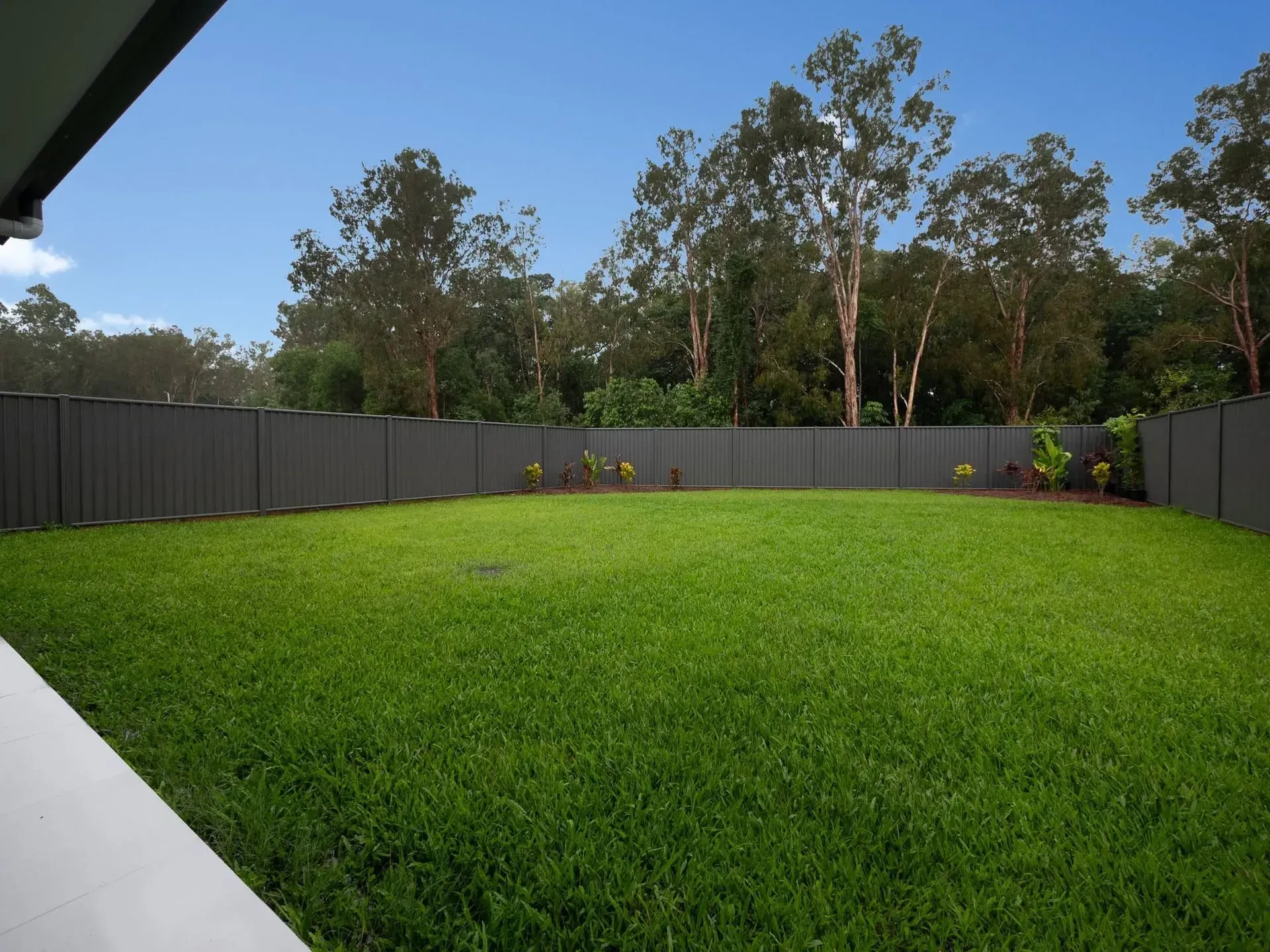
In a high-rainfall environment, drainage is not something to leave to chance. It directly affects how well turf establishes and survives over time.
Before laying turf, it’s worth working through a few key checks:
- Observe how water moves across your yard during rain
- Identify any areas where water tends to pool
- Consider whether the soil drains quickly or retains moisture
If these factors aren’t addressed, even high-quality turf can struggle. Improving soil structure or adjusting the ground level can make a noticeable difference to long-term performance.
4. Buying Turf Without Planning Delivery Timing
Turf is highly perishable. Once harvested, it begins to lose moisture and vitality, especially in warm conditions. Without proper planning, it’s easy to end up with turf that sits too long before being laid. This can lead to stress, slower establishment and reduced overall quality.
A well-timed approach should include:
- Preparing the site fully before delivery
- Scheduling turf to arrive as close as possible to installation
- Laying the turf immediately after it arrives
Working with a turf supplier that focuses on fast harvest-to-delivery handling helps ensure the turf arrives fresh and ready to establish.
5. Skipping Proper Laying Techniques
Even when the right turf is chosen, poor installation can lead to disappointing results. Small errors during laying often show up later as uneven growth or visible seams.
Common issues to avoid include:
- Gaps between turf pieces
- Misaligned joins that create obvious lines
- Air pockets beneath the turf
- Delayed or inconsistent watering
Proper technique ensures the turf has full contact with the soil, allowing roots to establish quickly. Access to expert laying advice, or professional installation, can help avoid these avoidable mistakes.
6. Rushing the Preparation Stage
Preparation is often treated as a quick step, but it plays a major role in how your lawn performs. A well-prepared base supports healthy root growth and helps create a smooth, even finish. Skipping or rushing this stage can result in uneven surfaces and ongoing maintenance issues.
Preparation generally involves clearing existing material, levelling the ground and improving soil quality where needed. Taking the time to do this properly creates a more stable foundation for the turf to establish.
7. Choosing Turf Without Thinking About Maintenance
Not all turf is maintained the same way, and overlooking this can lead to more work than expected.
Before making a choice, consider how the lawn will fit into your routine:
- How often are you willing to mow?
- Will the area experience heavy foot traffic or pets?
- How much watering and fertilising are you prepared to manage?
Some turf varieties grow quickly and require frequent attention, while others are more manageable but may have different care requirements. Selecting turf that aligns with your lifestyle helps ensure it remains practical long term.
8. Buying Without Local Guidance
Turf isn’t a one-size-fits-all product, particularly in tropical environments. Conditions can vary significantly from one property to another, even within the same suburb.
Without local advice, it’s easy to overlook factors that affect performance, such as soil type, drainage or exposure. This can lead to choices that don’t suit your specific site.
A local turf supplier can provide tailored recommendations based on real conditions, helping you make decisions with greater confidence. This kind of guidance often prevents issues that only become visible after installation.
Set Your Lawn Up for Success
Getting a great result with turf comes down to making the right decisions before anything is laid. From choosing a climate-suitable variety to preparing the site and planning delivery, each step plays a role in how your lawn performs over time.
We at Tropical Lawns help homeowners across Far North Queensland avoid these common mistakes by supplying turf grown at a local turf farm, along with free site visits, practical laying advice, fast delivery and optional installation. If you’re planning a new lawn, get in touch to organise a quote and get guidance tailored to your property and conditions.