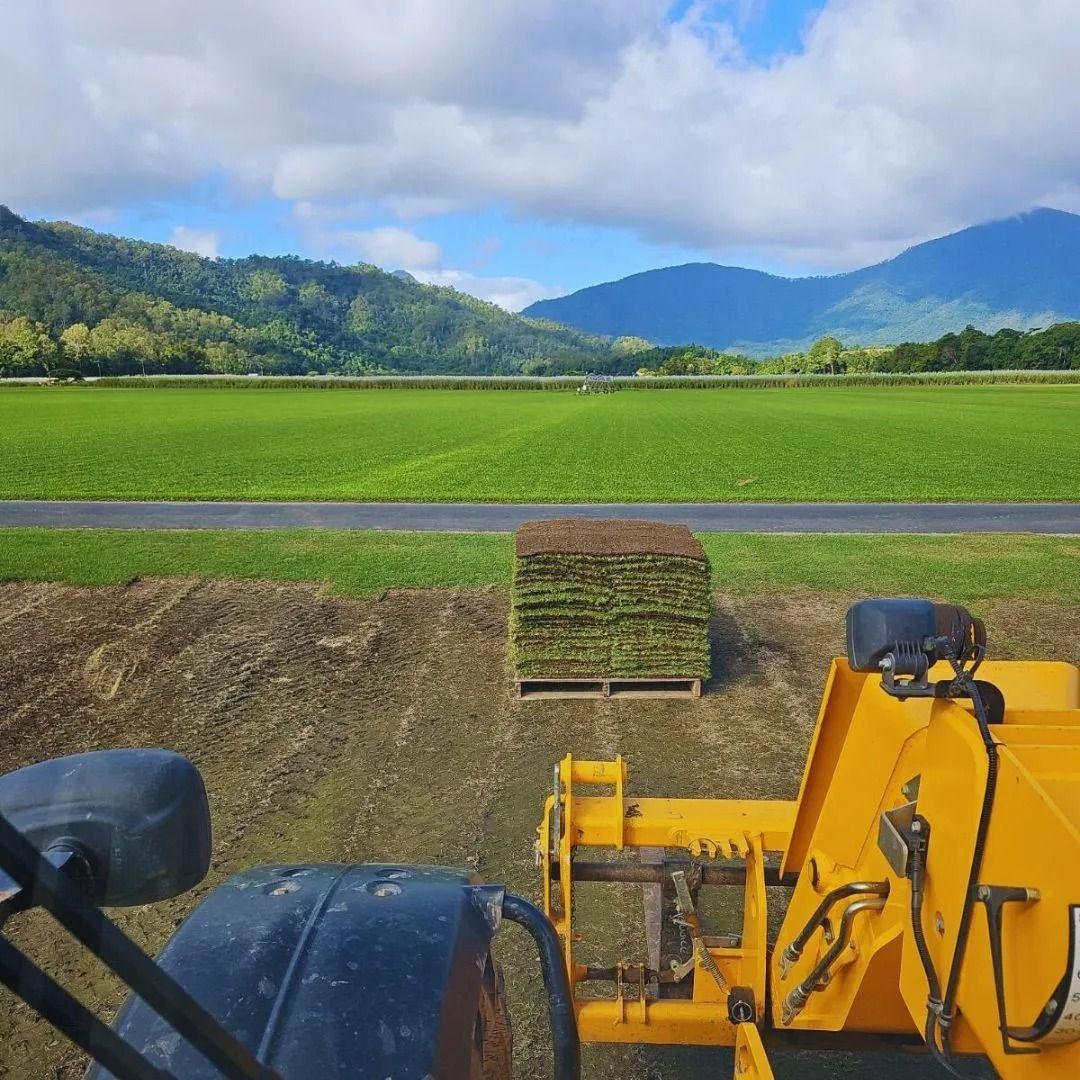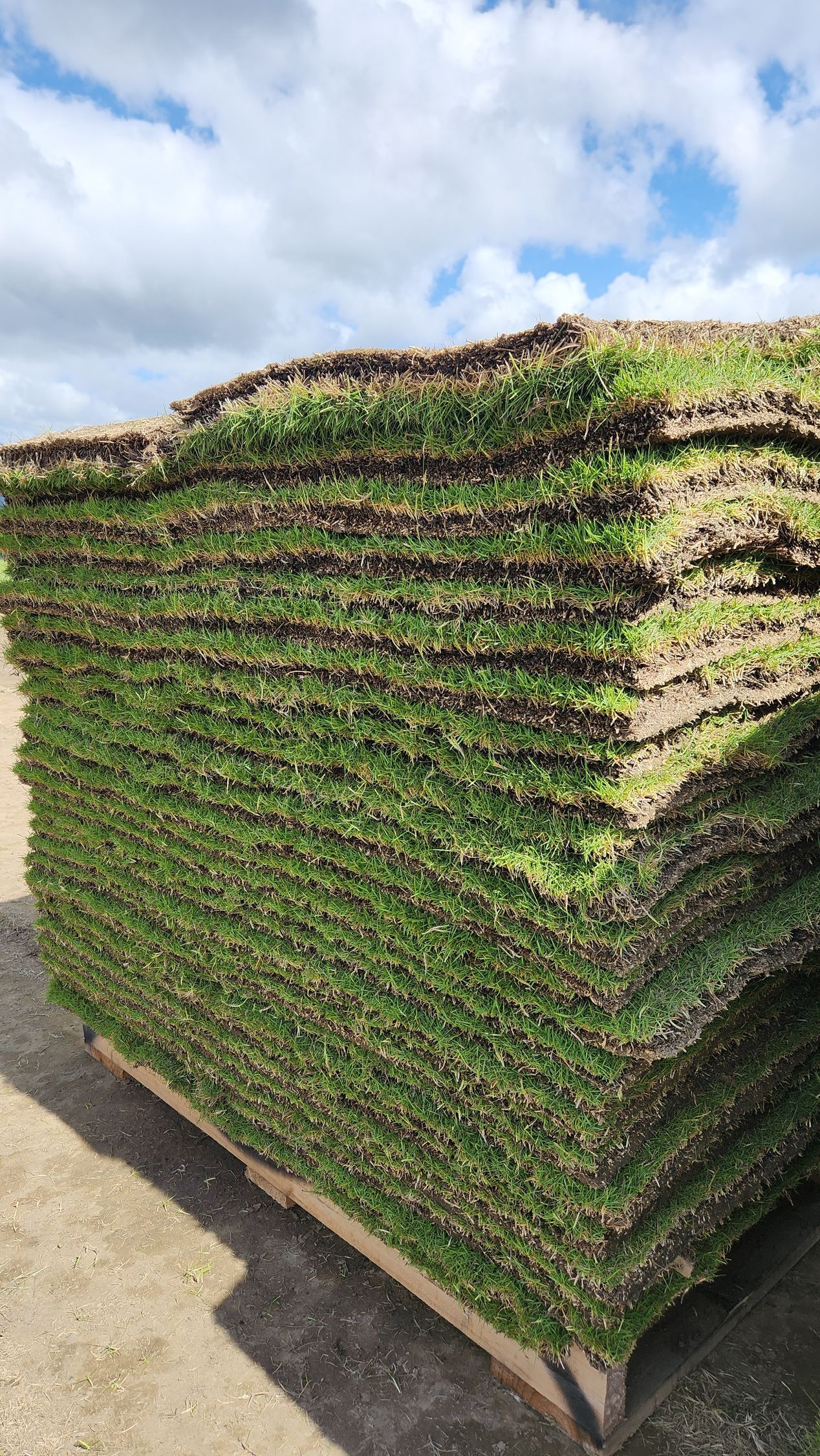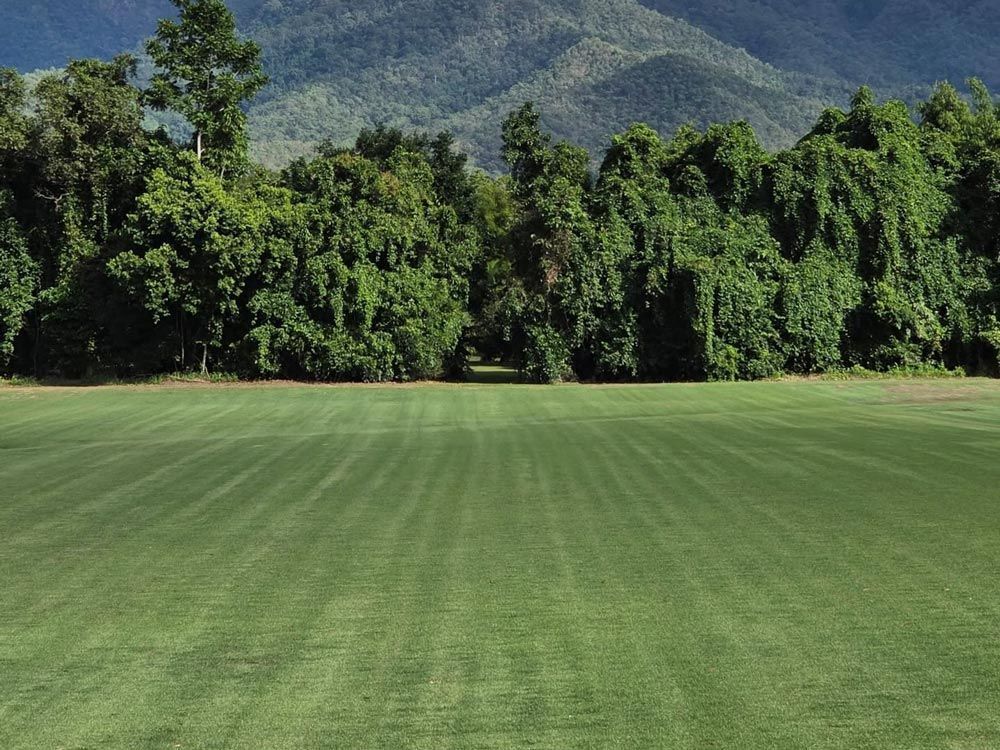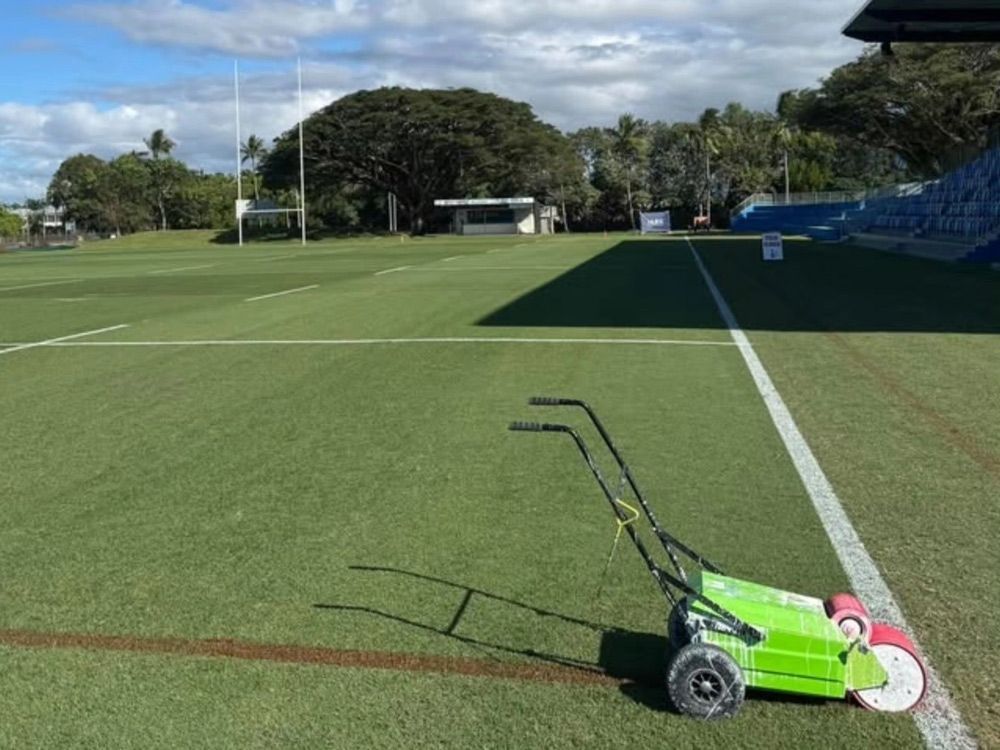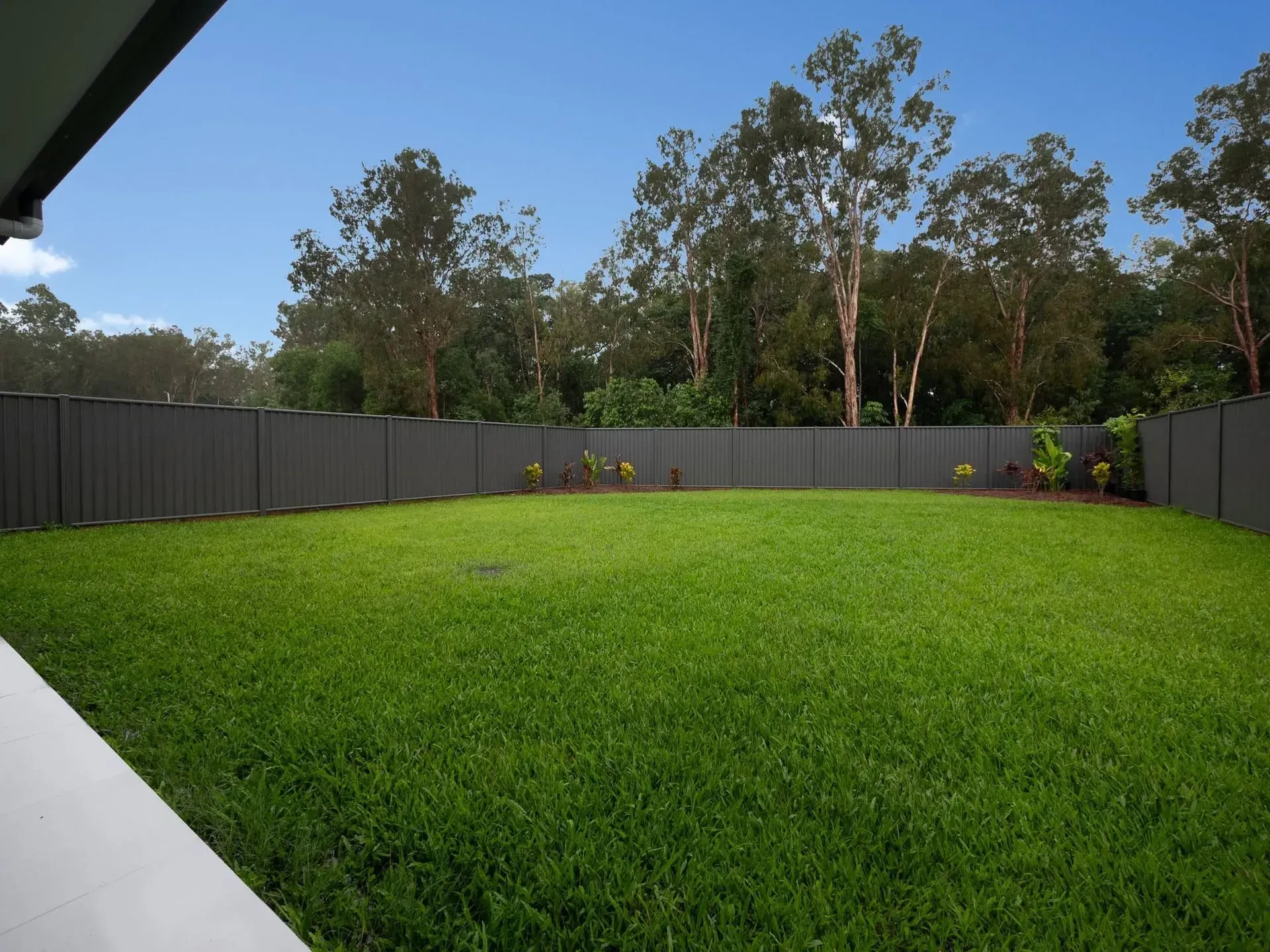
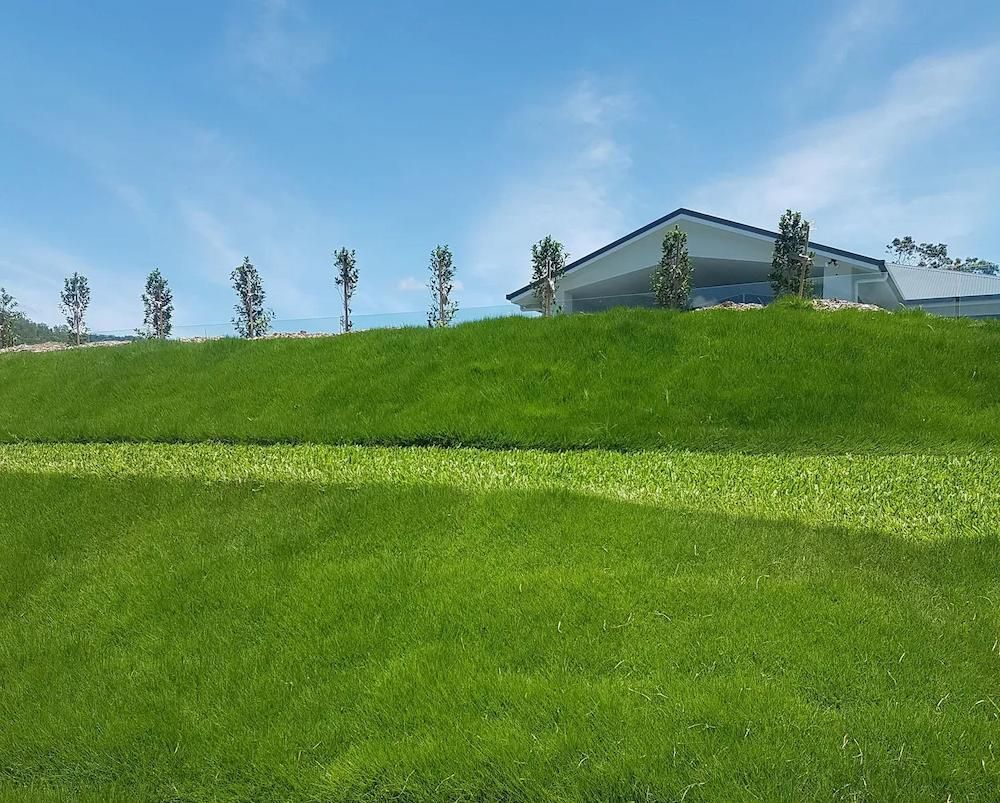
Getting your turf measurement right saves you money, prevents delivery delays and means your new lawn goes down in one job instead of two. Whether you're planning a small courtyard patch or a full backyard renovation, here's exactly how to measure your space so you know what to ask for when you order turf in Cairns and get in touch with turf suppliers in Cairns.
Why Getting the Measurement Right Matters
An inaccurate measurement is one of the most common (and costly) mistakes homeowners make before a new lawn install. Order too little turf, and you're left with a patchy lawn, a second delivery fee, and rolls that may not match in colour or freshness. Order too much, and you're paying for offcuts that end up in the green waste bin.
In Cairns and the wider FNQ region, humidity and rapid growth mean fresh turf needs to go down quickly after cutting, so getting the order right the first time matters more here than in cooler climates where turf can sit a little longer before laying.
How to Measure Irregular or Sloped Yards
Most residential blocks aren't neat rectangles, which is exactly where DIY measurements go wrong. Here's a simple approach that works for awkward shapes:
- Break the yard into sections. Divide your lawn into rough rectangles, triangles and circles rather than trying to measure the whole space at once.
- Measure each section separately. For a rectangle, multiply length by width. For a triangle, multiply base by height and divide by two. For circular garden beds or lawn islands, measure the radius and use pi × radius².
- Add the sections together. This gives you your total square metreage.
For sloped blocks, measure along the surface of the slope rather than the flat horizontal distance. A steep incline can add several extra square metres that a bird's-eye measurement will miss entirely. If your yard has retaining walls, garden beds or an in-ground pool cutting into the space, measure and subtract those areas rather than estimating around them by eye.
Adding a Wastage Allowance
Even a precise measurement needs a buffer. Turf is supplied in rolls or slabs of a fixed size, and laying around curves, garden edges and pathways always produces some offcuts. As a general rule of thumb in the industry, adding roughly 5–10% on top of your calculated area accounts for cutting waste, irregular edges and any small measuring error.
For example, a homeowner with a 120m² backyard measured to a clean rectangle might order 130m² of turf to allow for trimming around a curved garden bed and a paved entertaining area. That extra margin is far cheaper than reordering a small top-up batch later, which can also mean a slightly different turf batch or colour.
Using a Turf Calculator
Once you've got your section measurements, a turf calculator can help you sanity-check the total before you request a quote. Tools like the My Home Turf online calculator let you punch in your measurements and get a rough area estimate in seconds, which is useful for early planning even though it won't account for site-specific factors like slope or garden bed cutouts.
Think of a calculator as your starting point, not your final order quantity. It's designed to give homeowners a ballpark figure before committing to a professional measure, which is where the real accuracy comes in.
What to Include When You Request a Quote
When you're ready to move from planning to quoting, having a few details ready speeds up the process considerably. At minimum, be ready to provide:
- Your approximate lawn area in m²
- How many hours of direct sunlight the area gets per day
- Any preference or question around turf variety suited to your soil and usage
Sunlight hours matter more than most homeowners expect. A shaded side yard and a full-sun front lawn in the same Cairns property may need two different turf varieties entirely to thrive long-term. If you've recently laid new turf or are planning to, our guide on Preparing Your Lawn For New Turf In Cairns covers the site prep steps that make the biggest difference to how well it establishes.
Let Us Do the Measuring for You
DIY measuring is a great way to get a rough budget figure, but it's not the step to get wrong on the actual order. Tropical Lawns offers a free site visit and measure-and-quote service across Cairns and the surrounding region, so you get an exact area, a variety recommendation suited to your sunlight and soil conditions and a quote you can rely on. No guesswork, no wastage guessing games, just an accurate order for your new turf in Cairns.
Next step:
book a free measure and quote, and skip straight from planning to a lawn that's ordered right the first time.
Frequently Asked Questions
How much turf do I need for an average Cairns backyard?
It depends entirely on your yard's shape and size, but most residential backyards in Cairns range from 80m² to 200m². The only reliable way to know your figure is to measure your specific sections and add a wastage allowance of 5–10%.
Do I need to allow extra turf for a sloped yard?
Yes. Measure along the slope's surface rather than the flat horizontal distance, as slopes add extra surface area that a straight-line measurement will underestimate.
Is an online turf calculator accurate enough to order from?
An online calculator is a good starting point for early planning, but it won't account for site-specific factors like garden bed cutouts, slopes or awkward corners. A professional measure is more reliable for your final order.
What information do I need before requesting a turf quote?
Have your approximate area in m², the hours of direct sunlight the space receives and any turf variety questions ready. This lets a supplier recommend the right turf for your conditions, not just a generic option.
Does Tropical Lawns charge for site measurements?
No. Tropical Lawns offers a free site visit and measure-and-quote service, so you get an accurate figure without any upfront cost or obligation.
Why does turf variety depend on sunlight hours?
Different turf varieties tolerate shade, heat and foot traffic differently. A lawn with only a few hours of direct sun each day may need a shade-tolerant variety to thrive, while full-sun areas can handle hardier, sun-loving varieties.